Colourful Autumny Bushes

The difference is quite noticeable here between normal and warm mode. Saying that, it always is really. However, warm mode is looking much better in this comparison. More Autumny and colour rich.


Dullish_Autumny

Quite Dull


Autumny_Colours

Better. More richer in warm mode


Normal And Warm Mode Comparison

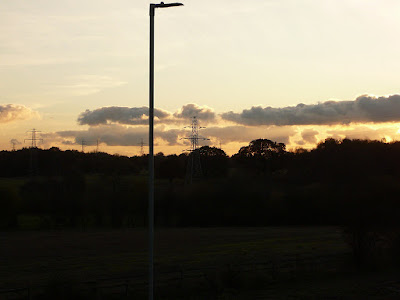
A TZ1 comparison of the same picture scene of clouds and pylons taken on the same day. Normal mode Vs Warm mode. Images are a little on the dark side. It was getting late in the day if I remember correctly. I really like warm mode on this camera.
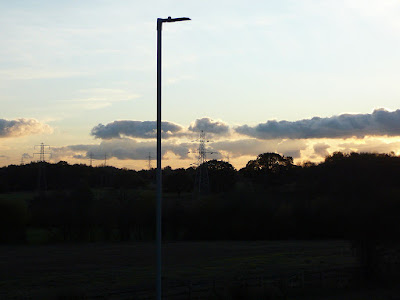
TZ1_normal_mode

Normal


TZ1_warm_mode

Warm mode setting

Panasonic DMC-TZ1 Battery

Chances are you've either bought a second hand TZ1 that came with its original battery and that no longer holds a charge, or you've fished your old TZ1 out from the back of a drawer and that needs a new battery. Whatever the reason, you're doing the right thing. The Panasonic DMC-TZ1 should be kept alive because its a good little camera. Replacement batteries are not hard to find, however, it most probably won't be Panasonic branded unless its fake, used or quite expensive.
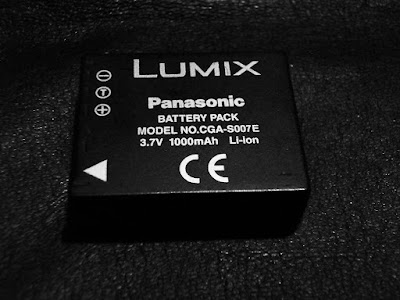

Genuine_Lumix_CGA-S007E_3_7v_1000mah

Two good replacements for the original pictured above are the Kastar 1300mAh and the Kastar Battery Kit (2 x 1300mAh batteries + USB charger bundle)


The same applies to the charger if you want to buy one brand new. There's always used original chargers available on eBay, so that's always an option. The good news is, some of the after market batteries, specifically a selection of the German made replacements, are actually really good and hold a charge well. However, some of the Asian made batteries have impressed me over the last few years, too.

#lumixtravelzoom1 #pointandshoot #tz1k #leica #alternative #power #oldercamera #backtolife #original #OEM #5megapixels #sportsmode #amazon #new #used #notworking #zoom #flash #need #highcapacity #batterypack

Panasonic DMC-TZ1 Video Test

How good is the quality of the TZ1 when it comes to recording video. For such an old point and shoot camera, the quality is still acceptable in 2022. Highest setting is 30 frames per second VGA [example video below]. Other mode options for video include 10 frames per second VGA, 10fps QVGA,  and 30 frames per second QVGA. So its 320x240 pixels, which is the size of QVGA Vs 640x480, the standard for VGA.


I think most people will use VGA. The video quality test of cars passing down the motorway isn't too bad. And, with the TZ1 there is the bonus of being able to use the zoom when in record mode. On the newer TZ3 that option is not available. Panasonic left it out for some reason.

The quality of this footage is much better than what can be achieved with the Lumix FZ50 Bridge camera. I own both cameras and have compared videos. The TZ1 wins quite easily. Video is not the FZ50's strong point. I also own the TZ3. And when it comes to video quality, the TZ3 is very similar in quality to the TZ1.

Panasonic lumix dmc-tz1 digital camera

The Panasonic Lumix DMC-TZ1 digital camera with a Leica lens has been a fantastic little camera for me. It offers a good range of features for photography enthusiasts. This camera has a fairly powerful lens [good piece of glass] that is able to capture high-quality images, whether using the zoom or taking close shots in macro mode.
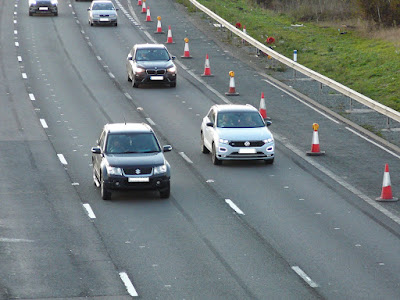

road-motorway_lumix_leica


With its compact size and fast start up time, the TZ1 camera is also great for on-the-go photography. It offers settings like image stabilization / anti-shake, which helps in eliminating blurriness. There are two stabilization options to choose from. I think number 1 is the best out of the two stabilization options.


squirrel_black_white_panasonic_digital_camera


Also, the DMC-TZ1 comes with various shooting and scene modes like sepia, warm, vivid, sports mode and many more that make it easy for users to experiment with different styles and effects. I quite like vivid sepia and vivid black and white. I think the sensor in this model is small. High ISO is a problem. As in, the images are noisy. But keep the ISO low and the results can be pretty good.

The TZ1 can also record video in 480p. Overall the TZ1 is a really good option if you're in the market for an old-school, cheap compact camera. I think it came out in 2006, so now, while low-tech to some or most people, it is still quite a capable camera. And it can be bought for such a low price.

A little update years later. I've had a lot of cameras come into my possession over the years I have owned the TZ1. From very good brands like Canon, Nikon, Fujifilm etc. And the one thing I have noticed that has stood out to me more than anything else has been their build quality. It's been nothing short of terrible. The camera models I've had, which consisted of various, supposedly highly sought after point and shoots and Bridge cameras, were mostly made of plastic. Like, almost totally plastic.

I compared a little Canon IXUS 55 to my Panasonic TZ1, and the difference in build quality was quite shocking. I have no idea why IXUS cameras have had a rise in popularity over the last few years and now sell for high prices. It was so flimsy and poorly made.

In comparison to the TZ1, which is heavy for its size and has real metal around the lens, the zoom ring is metal, the top is metal, the screen is much better quality etc, there is no comparison at all. The IXUS was built like a cheap plastic toy, and the TZ1 is a well built, quality camera. It's that simple.

I sold my IXUS and was glad to see the back of it. Same with the Nikon point and shoot camera I had. Build quality was laughable. They were both prone to faults also. Lens errors, dodgy display screens, weak battery door latch etc. I really expected better from these brands.

And this is why I won't sell my TZ1. Because I know I'll want it back a week later!